15 Years of LINE: How LINE Has Addressed Disasters in Japan, Taiwan, and Thailand (Part 2) ――The Future of Disaster Preparedness and the Next 15 Years Envisioned by Each Country and Region
Corporate
A special panel discussion was held with CSR representatives from Japan, Taiwan, and Thailand to mark the 15th anniversary of LINE's launch, reflecting on disaster response efforts. In Part 1, the panelists introduced the roles LINE has played in each country and region, as well as insights from the frontlines of disaster response.
In Part 2, the panelists reflect on what they have learned from each other's initiatives and discuss the future they envision for Japan, Taiwan, and Thailand, as well as the challenges they aim to take on over the next 15 years.
Table of Contents
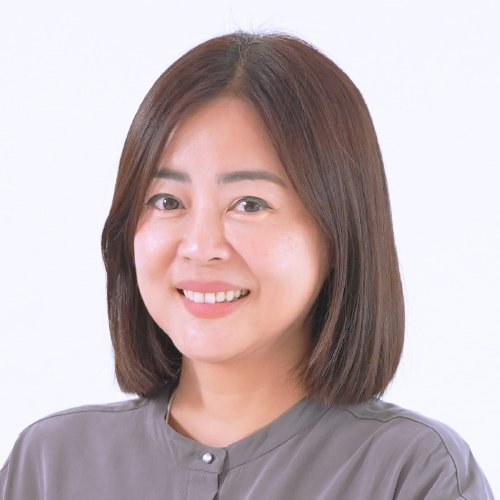
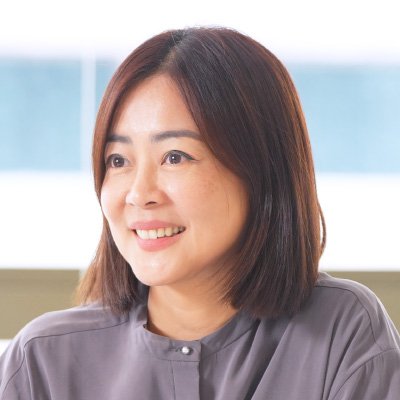
Nicharass Archyasithiwat (Aey)
Chief Marketing Officer, LINE Company (Thailand) Oversees brand building and social impact initiatives at LINE Thailand. She leads the "LIFELINE" joint public-private disaster preparedness project partnering with more than 15 organizations, promoting a culture of disaster preparedness among users in Thailand.
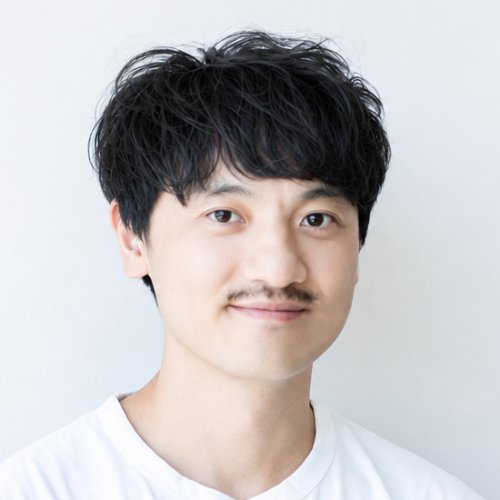
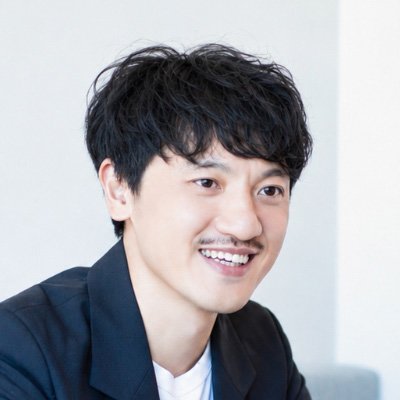
Neil Lin (Neil)
Product Management Department Vice President, LINE Taiwan Oversees management, localization, and UX improvements for the LINE platform at LINE Taiwan. He has spearheaded the role of LINE as a disaster prevention portal, including public-private collaboration with NCDR (National Science and Technology Center for Disaster Reduction) and the introduction of "Safety Check."
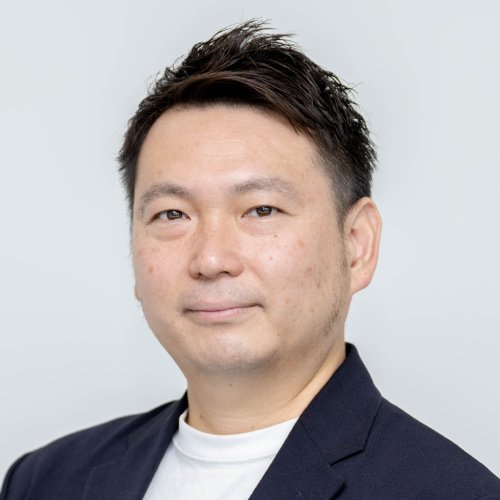
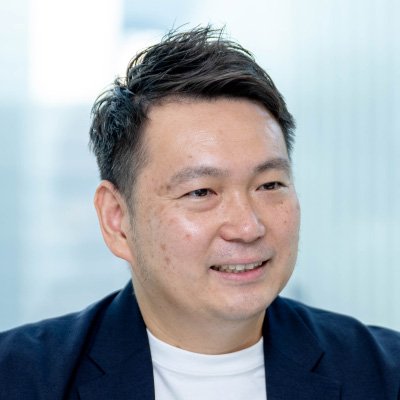
Sho Hashiguchi (Sho)
CSR Unit, Sustainability CBU, Governance Domain, LY Corporation Promotes the digital transformation of disaster preparedness and administration services, and LINE-based consultation services at LY Corporation in collaboration with government agencies and local municipalities. He has engaged in on-site support in disaster-affected areas, including areas affected by the Noto Peninsula Earthquake, as well as assisting local governments in utilizing LINE Official Accounts for disaster preparedness.
Moderator
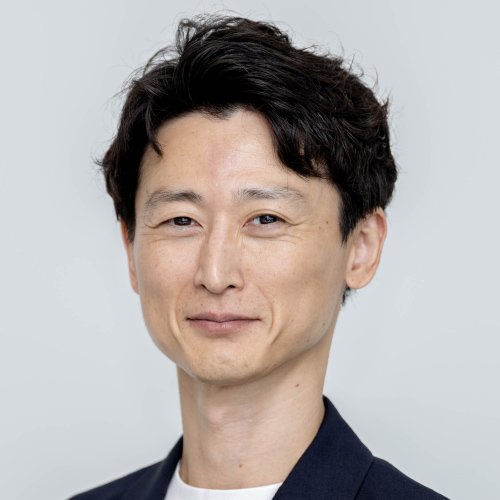
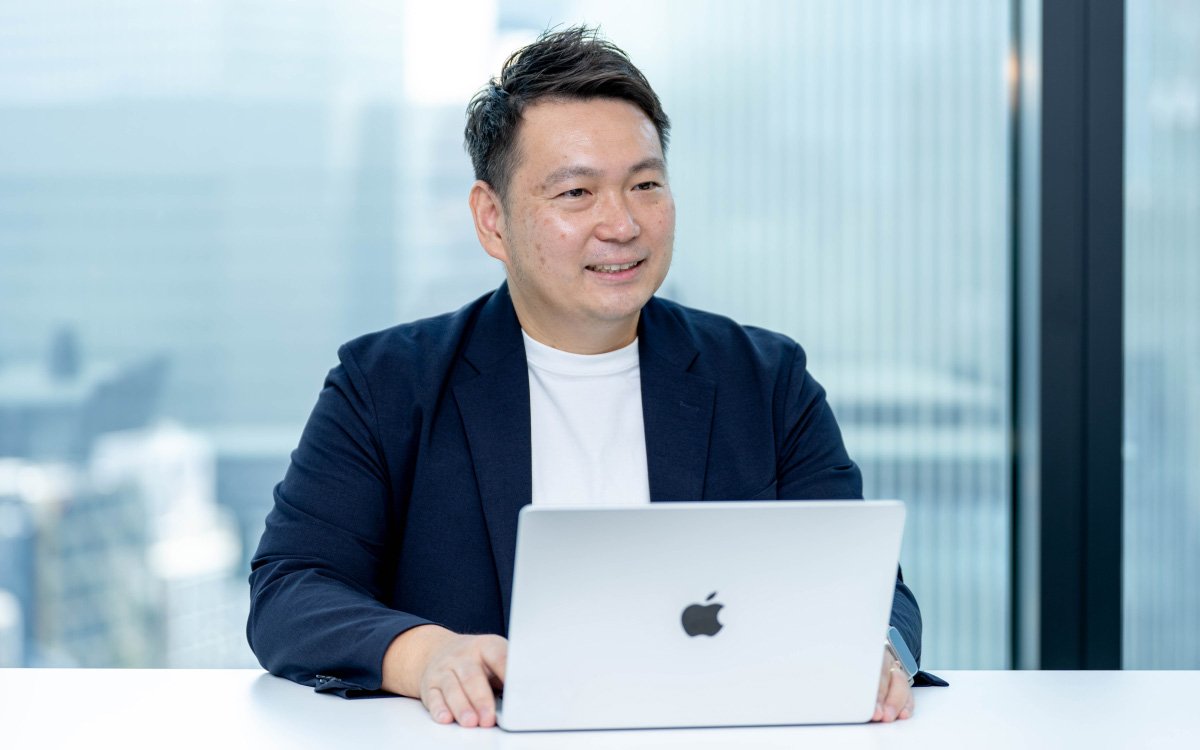
Takeshi Yasuda (Takeshi)
CSR Unit, Sustainability CBU, Governance Domain, LY Corporation Utilizing his experience in responding to the Great East Japan Earthquake, he manages social contribution initiatives in the sustainability promotion division at LY Corporation, focusing on disaster preparedness, mitigation, and emergency response.
Theme 3: Learning from Our Differences
Now that we have heard about the different initiatives in each country and region, I would like to ask about any ideas that made you feel, "We should adopt this in our own country too!"
――Q8. Are there any disaster preparedness initiatives from the other two countries that you would like to introduce into your own?
Aey: In Thailand, we operate "LINE Alert" in collaboration with the Department of Disaster Prevention and Mitigation (DDPM), but we would definitely love to adopt Taiwan's approach with the "NCDR LINE Official Account"--consolidating all disaster risks and government information into a single account.
Also, from Japan, I was deeply inspired by how disaster preparedness is ingrained as an "everyday habit." Great examples include Fukuoka City and Naha City's surprise evacuation drill that completes in about 3 minutes, and Kobe City's "Disaster Bulletin Board," where AI aggregates citizen reports into a real-time map. Since floods in Thailand tend to expand gradually, having a citizen-participatory real-time map like that would be extremely effective in delivering aid swiftly to places genuinely in need.
Neil: Japan's "online evacuation drills" conducted with local municipalities and their mechanisms to gather photos of damages and location data via chatbots serve as great references for raising civilian disaster awareness.
Additionally, the system deployed by LINE Thailand in partnership with DDPM--such as the "1784DDPM" account integrating real-time water level alerts and a 24-hour emergency rescue channel--is groundbreaking. These approaches combining dynamic situational reporting and intuitive evacuation drills serve as excellent models for Taiwan's future disaster prevention strategies.
Sho: Taiwan's speed in delivering earthquake early warnings is world-class. Their system, in partnership with the Central Weather Administration, delivers alerts to users within seconds of an earthquake. This is not something that the private sector can achieve on its own, but it is an area where we would like to further improve accuracy in Japan as well.
From Thailand, we would like to learn more about their approach to long-term disaster victim support. Thai floods can last for weeks or months, and their insights on utilizing LINE during that period for community maintenance and supply matching serve as valuable hints for Japan--which is strong in initial response right after earthquakes--on how LINE can stay close to people when shelter life becomes prolonged.
Although disaster types and frequencies differ by country, sharing insights allows everyone's "optimal solution" to evolve. I believe this panel discussion is the first step.
――Q9. How is the concept of "preparedness" perceived in your country?
Aey: From working with many different sectors, I've seen that Thai people are placing more importance on preparedness, but that awareness tends to spike after a major event and then naturally fade over time. This isn't unique to Thailand, it's a pattern seen in many countries, since people who haven't personally experienced a disaster often feel it's something distant from their own lives.
That's why LIFELINE doesn't focus only on providing knowledge, but aims to gradually build a "culture of preparedness" into everyday life, whether that means following accurate information, knowing how to respond, or having the necessary tools ready in advance. Especially now, as disasters are becoming more frequent and harder to predict due to climate change, preparedness isn't about anxiety, it's an essential skill everyone should have.
Neil: In Taiwan, "advance preparation" is not an abstract concept, but a habit rooted in daily living. Having faced natural disasters like earthquakes, typhoons, torrential rain, and landslides for years, alongside geopolitical risks, household stockpiling and emergency supply preparation are taken for granted. For instance, buying drinking water, non-perishables, batteries, and flashlights before a typhoon is standard, and many households have begun preparing medical supplies, power banks, ID copies, and whistles.
Another critical foundation is education. Through disaster education and drills from a young age covering earthquake, fire, and typhoon safety, people not only learn how to protect themselves, but also learn information literacy--following official instructions and identifying reliable information to prevent panic caused by unverified rumors.
True "advance preparation" includes not just packing an emergency bag, but mastering emergency response workflows, knowing correct information sources, and discussing contact methods and meeting locations with family in advance. In the future, I hope LINE will integrate government official information, disaster education, safety checks, and action guidelines into daily life so that preparation becomes a sustainable habit rather than something done the day before a typhoon.
Sho: In Japan, "preparedness" is perceived as something very familiar. In addition to repeatedly experiencing earthquakes, tsunamis, typhoons, and heavy rain, people have opportunities to engage with disaster preparedness from childhood through "Disaster Prevention Day" on September 1, Disaster Prevention Week, and local/school drills. Furthermore, the mindset of "self-help, mutual help, and public help" is deeply rooted.
On the other hand, even if people understand the importance of disaster preparedness, many have not engaged in family discussions or concrete preparations because they "lacked a trigger." That is why we focus on breaking "preparedness" down into small, accessible actions, such as adding municipal LINE Official Accounts as friends or sharing hazard maps in family LINE groups.
"Preparing" does not mean living in fear of disasters; it means increasing options for independent judgment and protecting yourself, loved ones, and community members. Turning "knowing" into "acting" is key.
Theme 4: The Next 15 Years and Collaborative Challenges Across Japan, Taiwan, and Thailand
Lastly, as disasters grow more severe due to climate change over the next 15 years, I would like to ask about the next role LINE should play, as well as any initiatives that Japan, Taiwan, and Thailand could work together to pursue.
――Q10. What do you think is the "next role" LINE should play in disaster response over the coming 15 years?
Aey: I believe that in the future, LINE's role will go beyond being a communication channel or alert system, it will become a platform that helps people and communities prepare effectively before disaster strikes.
With the power of AI and data, we can deliver information relevant to each specific area, send proactive alerts, and help people make faster, more accurate decisions. At the same time, collaboration among the public sector, the private sector, and technology will become even more important, because disaster response isn't the responsibility of any single organization, it's an ecosystem that requires everyone to work together. My hope is that 15 years from now, LINE will be part of the safety communication infrastructure that people can trust throughout every phase of a disaster, from preparedness, to response, to recovery.
Neil: LINE can become a "trusted platform connecting societal resilience."
Up until now, we have helped people stay in touch during disasters. In the next phase, we aim to better support users throughout the entire journey: "pre-disaster preparation," "in-disaster emergency response," and "post-disaster recovery."
Pre-disaster, we will encourage risk understanding and habituate preparation; during a disaster, we will deliver official, actionable information instantly to support safety checks, shelter searches, and resource allocation; post-disaster, we will match victim needs, volunteers, supplies, transport, and professional support on our platform.
While AI is an important tool in disaster management, it cannot replace expert judgment. No matter how technology advances, information accuracy, privacy protection, system stability, and service inclusiveness remain mandatory prerequisites. Born from a disaster 15 years ago, LINE bears the responsibility of connecting trusted information and support forces at the right time.
Sho: LINE's next role over the next 15 years is to evolve from "delivering" disaster information to "completing" the entire process where each individual judges appropriately, acts, and connects to support.
Until now, LINE has connected people to people and people to governments through safety confirmations, evacuation alerts, and reporting on damages. Moving forward, we must take that connection a step further, providing an uninterrupted experience where users instantly know what to do based on their situation--such as checking nearby shelters and the next safe action to take after an alert and seamlessly connecting to support procedures after evacuating.
Furthermore, disaster response extends beyond the immediate aftermath. We must support people across a long timeline--from daily preparedness to evacuation, safety confirmation, and the rebuilding of their lives. I believe LINE's next role is to serve as a platform that connects all stages--from everyday living to recovery and reconstruction. For example, enabling families to share evacuation locations, residents to participate in local authority drills, and people affected by disasters to receive information on available support.
Ensuring simple usability and multi-language support so that older adults, people with disabilities, and foreign residents are not left behind is also one of our major responsibilities. Balancing convenience with information accuracy, reliability, and privacy in partnership with governments, specialized organizations, and local communities is essential.
If the past 15 years have been about helping people "connect," I believe our next role over the coming 15 years is to support people in taking action through those connections to protect each individual's life and livelihood.
――Q11. Lastly, please tell us about the future you want to aim for together across Japan, Taiwan, and Thailand.
Aey: I'd like to see the LINE teams in Japan, Taiwan, and Thailand collaborate to systematically exchange knowledge and experience in disaster response.
Japan and Taiwan have years of extensive experience in disaster response, in feature development, user communication, and building a culture of preparedness, all of which are extremely valuable knowledge for Thailand. At the same time, Thailand has its own strength in using LINE as the hub of communication at the family and community level, a perspective it can share back with the others.
So I hope that in the future, we won't just exchange best practices, but will jointly develop regional standards or guidelines for LINE's disaster-response communications, so users in every country can benefit from shared knowledge and be ready for challenges that are likely to grow more frequent and severe.
For users in Thailand, LINE is an integral part of everyday life and often the first thing they open in the morning. We want LINE to remain a trusted presence in people's lives not only during disasters but also through both good times and difficult times, by delivering accurate information and reassurance in a simple and accessible manner. By sharing knowledge and expertise across borders, we hope to strengthen resilience throughout Asia.
Neil: I hope we can jointly construct a "cross-border safety notification mechanism for regional travelers and business travelers," embodying our core value as a "trusted communication platform."
Travel among Japan, Taiwan, and Thailand is extremely frequent (according to statistics from Taiwan's Tourism Administration, Japan and Thailand have both consistently ranked among the top five destinations for Taiwanese travelers.). For example, if a Taiwanese user encounters an earthquake in Japan, LINE could automatically switch to local official disaster alerts and allow a one-tap notification saying "I am abroad, but safe" to family back in Taiwan.
The core value of LINE at 15 years is "staying stably connected in any emergency." Incorporating AI and modern tech, we want to evolve into a trusted platform where anyone can intuitively help each other across language and border barriers.
Sho: I want to build a mechanism where anyone can act without hesitation during a disaster, regardless of country or language.
Japan, Taiwan, and Thailand have each experienced various natural disasters--such as earthquakes, tsunamis, typhoons, torrential rain, and floods--and have accumulated unique insights and government partnership know-how. The first step is to share not only successes but also challenges, building a shared pool of disaster preparedness knowledge for each other. What I especially want to achieve is "multilingual disaster support," including for travelers and foreign residents. To ensure people do not hesitate in their actions due to language or system differences during a crisis, I want to create a shared experience where users, no matter which country they are in, can check local official information, shelter locations, and required actions in their own language through the familiar LINE app.
Furthermore, I would love to try joint online evacuation drills and the co-creation of disaster awareness content. By engaging children and younger generations, we want to present disaster preparedness not as a rigid topic, but as an opportunity for them to view it as a personal matter through quizzes and simulations.
Learning from each other across borders during normal times will surely strengthen actual cooperation during a disaster. In the future, by leveraging AI to organize trusted information issued by governments and specialized institutions across languages and institutional differences, I believe we can aim to support each individual's next actions according to their specific situation.
Across Japan, Taiwan, and Thailand, LINE is used by over 170 million total monthly active users (MAU). The wish made 15 years ago was to "connect with loved ones." Over the next 15 years, we want to deliver that wish beyond national borders.
During a disaster, what matters most is not the volume of information, but knowing what information you need and what action to take next, including connecting each person to the appropriate information and support based on their individual situation--such as age and location. We will continue to collaborate across countries to support the lives and peace of mind of every individual through LINE.
Through today's dialogue, I felt that despite differences in disaster types and social structures, Japan, Taiwan, and Thailand share a common conviction: wanting everyone during a disaster to connect with loved ones, obtain trustworthy information, and choose their next action without hesitation.
LINE's value goes beyond delivering information. It lies in connecting people to people, people to communities, people to governments, and those needing help with those who can provide it--driving actions that protect lives and livelihoods.
Born 15 years ago from the wish "to connect with loved ones," LINE's next 15 years will bring together the experiences of Japan, Taiwan, and Thailand to create a society where more people can prepare for and support each other during disasters, transcending countries and languages. Today's discussion is the very first step toward that goal.
Interview date: August 6, 2026 Written by: LY Corporation Story Editorial Team *The affiliations and titles in the article are as of the time of the interview.
About The LY Corporation Story
Making daily life more convenient and exciting for everyone. As our corporate blog, The LY Corporation Story will share the inside story behind the challenges that we take on to create WOW as well as the thoughts and feelings behind them.