Social Impact
LY Corporation (the “Company”) views “social impact” as bringing about positive change in society through technology and platforms.
By sharing the value created through its business operations and CSR activities with society, the Company will continue creating new value that can be passed on to future generations.
The Significance of Visualizing Impact
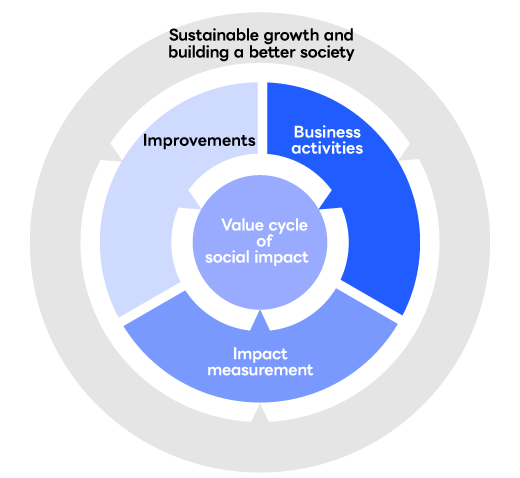
Quantitatively understanding the value generated through business operations and CSR activities and communicating it transparently to society are important elements in considering social impact.
By visualizing the level of contribution to society and the process of change, the Company aims to reinvest those outcomes into further value creation, leading to sustainable growth and a better society.
Impact Report
This section presents a summary of the impact measurement and assessments undertaken to date by the Company.
In selecting the assessment targets, the Company places importance on contributing to the advancement of its material topics* while also collaborating with external experts and specialists to ensure the validity and reliability of both the process and results.
Going forward, LY Corporation will continue providing transparent disclosures and advancing sustainable value creation through efforts to address social challenges.

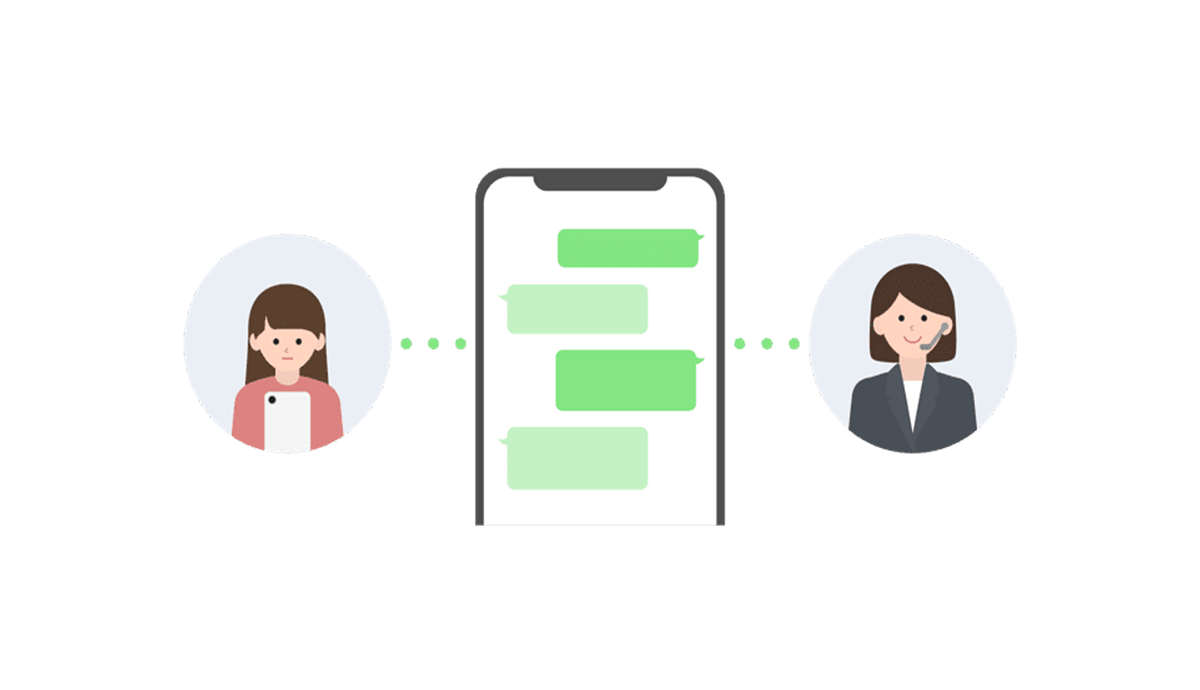
Impact Assessment of Municipalities’ Consultation Services Using LINE (SROI)
The social value of 20 services provided between FY2017 and FY2023 was converted into monetary value, resulting in a total benefit of JPY1,126.38 million and an SROI (Social Return on Investment) of 1.89.
The use of LINE has enabled early support for the concerns of young people, demonstrating the effectiveness and efficiency of the projects.

Follow-up Assessment of Municipalities’ Consultation Services Using LINE (SROI)
As a result of estimating the SROI for 19 services in FY2024, the overall level remained comparable to the previous assessment (2.04).
Services related to young carers accounted for a larger proportion, while “relationships with friends” and “physical and mental health and well-being” ranked highest, demonstrating the effectiveness of providing support for concerns that users may find difficult to discuss with people close to them.
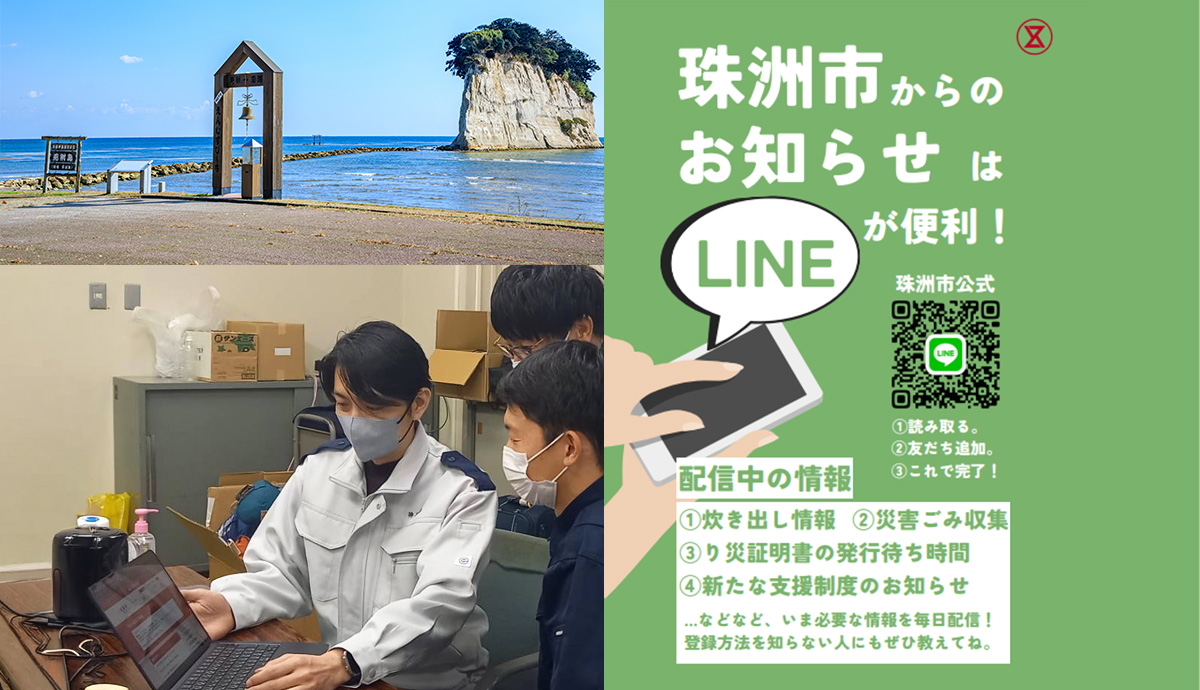
Assessment of the Usefulness of the LINE Platform During the Noto Peninsula Earthquake
Based on the results of resident surveys and other research conducted jointly with Kanazawa University in 2025, LINE was found to be effective in providing timely and accurate information as well as disaster support information. The findings also confirmed a positive impact on quality of life (QOL), demonstrating the platform’s value as an information infrastructure during disasters.
List of Impact Measurement and Assessment Results
This is an excerpt of the measurement and assessment results described in the impact reports.
*Please scroll horizontally for more information.
| Measures | Major Measurement Results | Major Outcomes and Indicators | Related Material Topics | Measurement and Assessment Period |
|---|---|---|---|---|
| Impact Assessment of Municipalities’ Consultation Services Using LINE (SROI) | SROI: 1.89 (Breakdown) Total benefits: JPY1,126,388,221 Total cost: JPY597,042,000 |
Major outcomes(Children)
|
Addressing Disasters and the Digital Divide | 2024 |
| Follow-up Assessment of Municipalities’ Consultation Services Using LINE (SROI) (Japanese Only) |
SROI: 2.04 (Breakdown) Total benefits: JPY271,805,010 Total cost: JPY133,306,133 |
Major outcomes(Children)
|
Addressing Disasters and the Digital Divide | 2025 |
| Assessment of the Usefulness of the LINE Platform During Disasters (Japanese Only) |
|
Major outcomes
(Specific Indicators)
|
Addressing Disasters and the Digital Divide | 2025 |