
Directors/Audit and Supervisory Committee members |
Total remuneration (millions of yen) |
Breakdown of total remuneration (millions of yen) |
Number of persons |
||||
|---|---|---|---|---|---|---|---|
Monetary |
Non-Monetary |
||||||
Base remuneration |
Bonus (Performance-based) |
Restricted stocks (Performance-based) |
RSU plan (Board Incentive Plan Trust) (Non-performance-based) |
Stock option (Non-performance-based) |
|||
| Directors (excl. Audit and Supervisory Committee members) |
884 | 170 | 187 | 17 | 55 | 455 | 2 |
| (Of which for outside directors) | ( - ) | ( - ) | ( - ) | ( - ) | ( - ) | ( - ) | ( - ) |
| Directors (Audit and Supervisory Committee members) |
90 | 83 | - | - | 7 | - | 4 |
| (Of which for outside directors) | (90) | (83) | (-) | (-) | (7) | (-) | (4) |
| Total | 975 | 253 | 187 | 17 | 63 | 455 | 6 |
| (Of which for outside directors) | (90) | (83) | (-) | (-) | (7) | (-) | (4) |
Corporate Governance
Related Link
Basic Views
The LY Corporation Group (the “Group”) regards corporate governance as an indispensable function for enhancing corporate value over the medium to long-term. As stated in the “LY Corporation Group Code of Conduct,” each director and employee fully understands his or her required role, maintains proper corporate governance to earn the trust and understanding of all, and conducts efficient corporate activities.
<LY Corporation Group Code of Conduct>
https://www.lycorp.co.jp/en/company/codeofconduct/
Corporate Governance System
The Company regards corporate governance as a vital function in order to enhance medium- to long-term corporate value and conducts appropriate and effective corporate management. Meanwhile, the Company has adopted a system in which it has an Audit and Supervisory Committee and established the Nominating and Remuneration Committee and Governance Committee as voluntary committees, in order to establish both: a structure that encourages “aggressive governance” so that timely business decisions can be made in the internet industry; and a structure that promotes the aim of the corporate governance code, namely “transparent, fair, timely, and decisive decision making.”
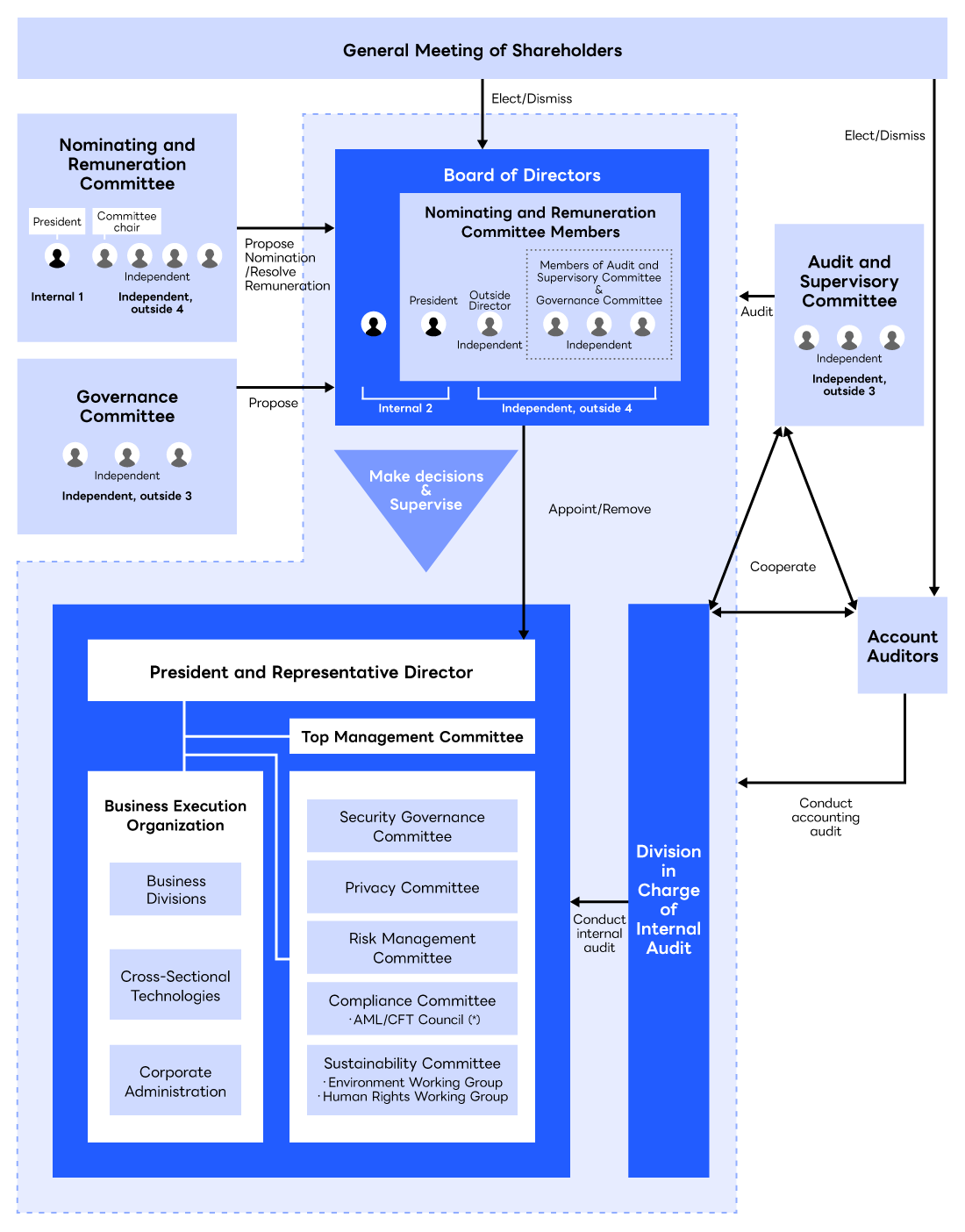
*The AML/CFT Council makes reports and discusses matters on efforts to combat money laundering and financing of terrorism.
(AML stands for Anti-Money Laundering and CFT stands for Combating the Financing of Terrorism.)
Board of Directors
The Board of Directors is responsible for corporate management policies, management strategy, business planning, the acquisition and liquidation of important assets, decision making regarding important organization and personnel matters, and the supervision of directors' execution of their duties.
The composition of the Board of Directors, chaired by the President and Representative Director, is presented below.
In order to ensure supervision and decision-making from objective and diverse points of view, four out of the six directors are independent outside directors. In nominating the director candidates, the Board of Directors receives the proposals from the Nominating and Remuneration Committee of which the majority is constituted by independent outside directors, takes the performance, experience, knowledge, reputation, etc. in and out of this Company of the candidates into account to resolve the appropriate candidates, and proposes the candidates to the shareholders meeting.
In addition, in order to ensure the effectiveness and efficacy of decision-making, the Board of Directors analyzes and evaluates the efficiency of meeting operations and the effectiveness and efficacy of resolutions every year and discloses a summary of the results.
< Titles/names >
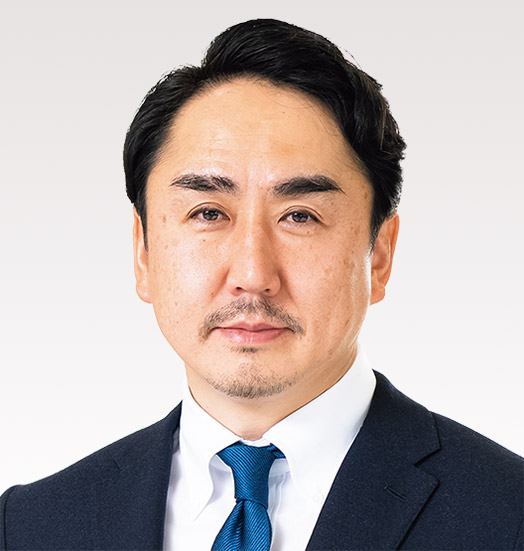
President and Representative Director, CEO (Chief Executive Officer): Takeshi Idezawa
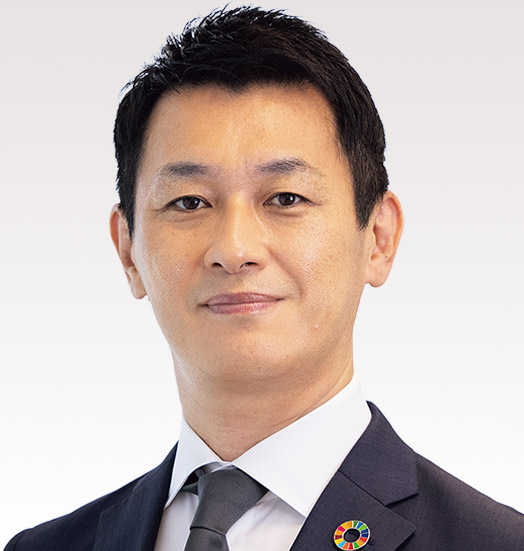
Director CFO (Chief Financial Officer): Ryosuke Sakaue
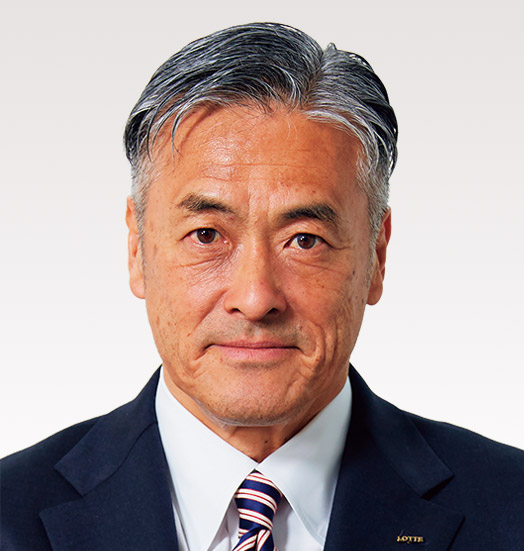
Outside Director (Independent Director) : Genichi Tamatsuka
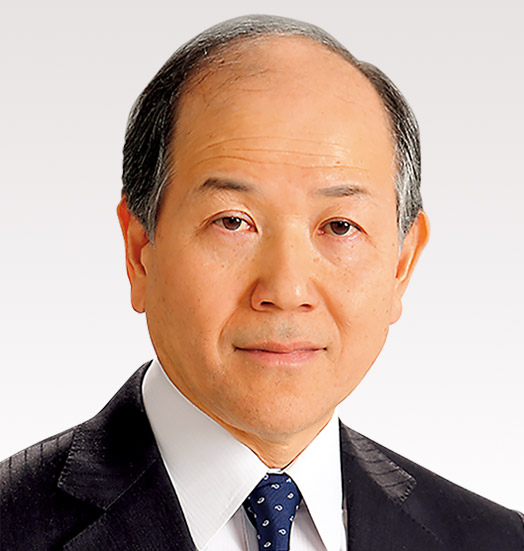
Outside Director (Independent Director), Full-time Audit and Supervisory Committee Member: Yoshio Usumi
Outside Director (Independent Director), Audit and Supervisory Committee Member: Yuko Takahashi
Outside Director (Independent Director), Audit and Supervisory Committee Member: Aki Shimizu
Audit and Supervisory Committee
The Audit and Supervisory Committee is responsible for auditing and supervising the entirety of the Company’s business activities, including the appropriateness of policy, planning, and procedures; effective business implementation; and compliance with laws and regulations through the perusal of important final decision documents, etc., the inspection of subsidiary companies, and so on. Furthermore, the Audit and Supervisory Committee receives reports on the auditing methods and results from the account auditors and internal audit methods and results from the division in charge of internal audit. Based on these activities, the Audit and Supervisory Committee regularly presents its opinions as an Audit and Supervisory Committee to the directors who are not Audit and Supervisory Committee members.
The Audit and Supervisory Committee is composed of three members, Yoshio Usumi,Yuko Takahashi, and Aki Shimizu, who are all independent outside directors, and is chaired by Yoshio Usumi. The Company's nomination criteria for outside directors are that they must be able to fulfill their social responsibilities in accordance with the LY Corporation Group Code of Conduct, and that they must have sufficient social credibility. In addition, the independent standards set by Tokyo Stock Exchange, Inc. are used as the Company’s independence standards. Persons with specialist knowledge, experience, and skills in areas such as corporate management, financial affairs, accounting, financing, and governance are chosen as Audit and Supervisory Committee members, and each of them conducts effective audits and supervision by utilizing their abundant work experience and highly professional perspectives.
Nominating and Remuneration Committee
The Company establishes a Nominating and Remuneration Committee as a voluntary committee for the purposes of proposing to the Board of Directors, the nomination of Representative Director, directors and others, and deciding and proposing to the Board of Directors, the remunerations, etc. of directors (excluding those serving on the Audit and Supervisory Committee).
The Nominating and Remuneration Committee consists of five members, and is chaired by Yoshio Usumi, who is an independent outside director and a full-time member of the Audit and Supervisory Committee. The Nominating and Remuneration Committee also consists of: Genichi Tamatsuka, who is an independent outside director. The Nominating and Remuneration Committee also consists of: Yuko Takahashi, and Aki Shimizu, who are independent outside directors serving on the Audit and Supervisory Committee; and Takeshi Idezawa, President and Representative Director, CEO. The independence of the Committee is ensured by the fact that a majority of its members are independent outside directors. In addition, decisions are made by a majority of the attending Committee members, provided that a majority of such members who are eligible to vote are in attendance at the time of voting and so forth, also ensuring independence in the decision-making process.
More specifically, based on the Regulation for the Nominating and Remuneration Committee determined by the Board of Directors, the Nominating and Remuneration Committee makes proposals, etc. to the Board of Directors on all matters related to the agenda of the shareholders meeting on the election and dismissal of the representative director and directors. The Committee will also consider establishing and implementing the succession plan of the representative director and other matters. Furthermore, based on the Regulations of Remunerations for Directors established by the Board of Directors, the Committee determines the amount of remunerations, etc. of the directors (excluding those serving on the Audit and Supervisory Committee) after careful deliberation, taking into consideration the business performance in each quarter, contributions to the business performance, and other factors. With respect to stock-based remuneration, proposals, etc., are made to the Board of Directors, based on the Committee's resolutions.
Governance Committee
The Company establishes a Governance Committee, composed of three independent outside directors, Yoshio Usumi, Yuko Takahashi, and Aki Shimizu, and is chaired by Aki Shimizu. For Related Party Transactions that require deliberation by the Board of Directors, the Governance Committee deliberates from the perspective of fairness, economic rationality, and legality, prior to the submission of proposals to the Board of Directors. In addition, for Related Party Transactions that exceed a certain amount, even if they do not require deliberation by the Board of Directors, the Governance Committee conducts a preliminary review based on the same perspective. Furthermore, by discussing important matters related to corporate governance, the supervisory function of the Board of Directors is strengthened to further improve corporate governance and protect the Company’s minority shareholders.
Scope of the Delegation of Tasks to the Top Management
The Board of Directors makes decisions regarding the Company's management policies, management strategies, business plans, acquisition and disposal of important assets, and important organizational and personnel matters, and supervises the execution of duties by the directors. Specifically, items such as high value transactions, investments and loans, and the acquisition or disposal of high value assets are within the purview of items to be resolved by the Board of Directors. Decisions regarding other individual business matters are, as a rule, to be handled by the top management in accordance with the Regulations of the Board of Directors Meetings.
Analysis and Evaluation of the Effectiveness of Board of Directors
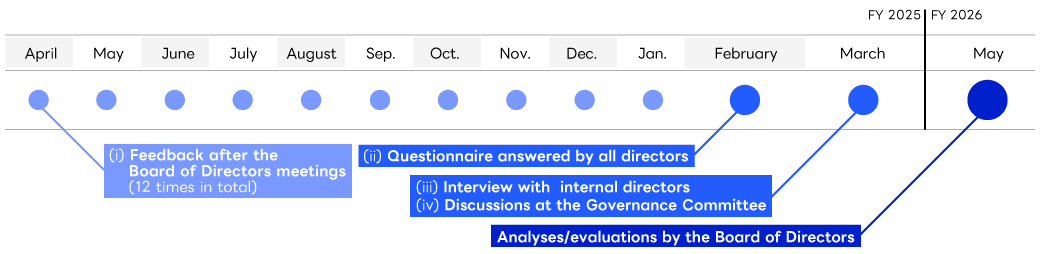
The Company conducts an evaluation of the effectiveness of the Board of Directors with the aim of further improving the governance of the Company and the Group. An overview of the evaluation for FY2025 is described below.
(1) Method of evaluation
The effectiveness of the Board of Directors was analyzed and evaluated mainly by implementing the four measures below. Evaluations, analyses, and improvements have been made continuously throughout the year with the aim of making detailed improvements.
(i) Feedback interviews with outside directors serving on the Audit and Supervisory Committee regarding the effectiveness of the Board of Directors meetings (12 times in total immediately after the Board of Directors meetings)
(ii) Questionnaire answered by all directors at the end of the fiscal year.
(iii) Interview with internal directors at the end of the fiscal year focused on low-rated items in the questionnaire
(iv) Discussions, etc., at the Governance Committee at the end of the fiscal year.
< Evaluation method for FY2025 >
< Major evaluation items in the questionnaire >
Composition and operation of the Board of Directors
Management strategies and business strategies
Corporate ethics and risk management
Performance monitoring
Evaluation and remuneration of the top management team
Dialogue with shareholders
Initiatives for the FY2025 action plans, etc.
(2) Results of the evaluation
The Board of Directors analyzed and discussed the results of the four evaluation methods mentioned above ((i) through (iv)) as well as other factors, and concluded that the Company's Board of Directors is effective as a whole. Key points of the evaluation are as follows:
- The Company’s Board of Directors consists of six directors, including four outside directors, with outside directors accounting for a majority of the Board. This structure has enabled faster decision-making, promoted a clearer separation between management oversight and execution, and enhanced the diversity of expertise represented on the Board, resulting in more substantive and productive discussions.
- Extensive discussions have been held over multiple sessions regarding strategic projects and priority issues to reach a consensus, ensuring thorough deliberations by the Board of Directors and the effective functioning of its management oversight.
- Security incidents at Group companies are also reported on an ongoing basis, and the Board provides oversight of incident and risk management across the Group companies, including the Company.
Reference: Challenges and major initiatives taken in FY2025
| Challenges | Major Initiatives |
| 1. Enhancing Board discussions on key issues |
|
|---|---|
| 2. Approach to operations of the Board of Directors considering the Company’s environment (Broad views on the Board of Directors and overall governance) |
|
| 3. Discussions on drafting a proper succession plan, establishing an appropriate composition of the Board, and human resources strategies, etc. |
|
(3) Challenges to be addressed in FY2026
The results of this analysis and evaluation identified several areas for improvement, including the potential to further deepen substantive discussions by ensuring that individual matters are considered with greater awareness of their place within the overall strategy, as well as the need to continuously examine the optimal composition of the Board of Directors to ensure that its management oversight function is fully exercised in response to changes in the business environment.
In FY2026, the Company will continue its efforts to recognize and address the issues identified above, while also proactively pursuing initiatives in areas beyond those issues. Through these efforts, the Company will further enhance the effectiveness of the Board of Directors and strive to increase corporate value.
| 1. Enhancing deliberations on key strategic matters and priority issues with due consideration of the business environment, market trends, and the Company's operating environment | 2. Advancing Board operations to strengthen the Board's management oversight function | 3. Pursuing the optimal composition of the Board of Directors to support sustainable growth |
|---|
| 1. Enhancing deliberations on key strategic matters and priority issues with due consideration of the business environment, market trends, and the Company's operating environment |
|---|
| 2. Advancing Board operations to strengthen the Board's management oversight function |
| 3. Pursuing the optimal composition of the Board of Directors to support sustainable growth |
Board Policies and Procedures in the Nomination of Director Candidates
The suitable person for director candidate is nominated by the Board of Directors. The criteria which are taken into consideration include performance, experience, knowledge, reputation, etc. in the Company or in other companies. If a director, etc. falls under the reasons for dismissal as prescribed in the internal regulations, the Board of Directors shall be consulted as to whether or not to submit the dismissal of such director as an agenda item for the shareholders meeting. A Nominating and Remuneration Committee, chaired by an independent outside director (including a director serving on the Audit and Supervisory Committee), and the majority of whose members are independent outside directors (including directors serving on the Audit and Supervisory Committee), will discuss and propose the nomination of director candidates and dismissal of directors, etc. to the Board of Directors. In addition, when making nominations for director candidates in particular, the Nominating and Remuneration Committee pays attention to ensuring diversity in terms of gender, age, internationality, and so forth to prevent membership from gravitating towards all members having similar characteristics.
Reasons for the Appointment of Directors and Audit and Supervisory Committee Members
Takeshi Idezawa
Takeshi Idezawa achieved the successful rehabilitation of the management of the company formerly known as livedoor Co., Ltd., and has since demonstrated strong organizational control and leadership in supervising the overall management of the LINE Group. Serving as the President and Representative Director, CEO of the Company from April 2023, he has played a leading role in generating synergy and in developing the governance structure, and has also been responsible for the overall management of the LY Corporation Group. He has been reappointed as a director so that he can continue to lead the promotion of the Group’s management and further strengthen governance.
Ryosuke Sakaue
Ryosuke Sakaue has been engaged for many years in business execution primarily in the areas of finance and accounting within the LY Corporation Group. As CFO, he has contributed to enhancing corporate value through the planning and implementation of capital policies, promotion of M&A, strengthening of corporate governance, and other activities. In addition, he has gained experience that supports management decision-making and information disclosure from an investor’s perspective through dialogues with investors, analysis of capital market trends, and so forth. The Company has elected him as a director based on the judgement that his knowledge and experience, as well as his track record as a corporate officer of the Company, is well suited to drive the Group’s growth strategy and further strengthen its governance framework.
Genichi Tamatsuka
Genichi Tamatsuka has extensive management experience, having served as president and representative director at multiple operating companies. He currently leads the management of a corporate group that develops diversified businesses both in Japan and overseas, and possesses deep insight into group management and global business expansion. The Company has elected him as an outside director so that, based on this experience and expertise, he can provide valuable advice and recommendations that will contribute to the medium- to long-term enhancement of the Group’s corporate value.
Yoshio Usumi
Yoshio Usumi has many years of business execution experience and track record in corporate administration. He also has abundant knowledge and track record in corporate management and corporate governance as well as deep insight in the IT business. Since he assumed his post as Outside Director (Independent Director) serving on the Audit and Supervisory Committee in June 2019, he has provided appropriate advice, now as the Chairperson of the Audit and Supervisory Committee and the Nominating and Remuneration Committee. He has been renominated as an outside director serving on the Audit and Supervisory Committee based on the judgement that he is best suited to further enhance the governance system going forward.
Yuko Takahashi
Yuko Takahashi has many years of experience and achievements in business execution as a certified public accountant, and has extensive knowledge of finance and accounting, including being responsible for the accounting department at a company. She also has experience overseeing management as an outside director and outside auditor at multiple companies. Since assuming office as an Outside Director (Independent Director) serving on the Audit and Supervisory Committee of the Company in June 2024, she has provided useful advice and recommendations on overall management, including finance and accounting, from a professional and multifaceted perspective based on her knowledge and experience. Therefore, the Company has continued to elect her as an outside director serving on the Audit and Supervisory Committee of the Company.
Aki Shimizu
Aki Shimizu possesses advanced legal expertise developed through her experience as both a judge and a public prosecutor handling government litigation matters, as well as practical experience across a wide range of corporate legal affairs as an attorney. She also serves as an outside director (Audit and Supervisory Committee member) at multiple listed companies, where she has provided advice and recommendations from an independent standpoint to support supervision and audits at the Board of Directors and other bodies. The Company has elected her as an outside director serving on the Audit and Supervisory Committee so that, based on her expertise and experience, she will strengthen the supervisory functions of the Board of Directors and the Audit and Supervisory Committee and to provide valuable advice and recommendations on overall management from a professional standpoint.
Policies and Procedures for Deciding the Remunerations of Directors
The Company has positioned executive remuneration as one of the key management strategies to encourage the top management team to exercise their leadership. The "Policy for Determining the Remuneration, Etc., for Individual Directors" (the “Remuneration Policy”) has been established to encourage bold risk-taking by the top management team through executive remuneration and to enable the Company to achieve sustainable growth.
The establishment of the Remuneration Policy has been deliberated by the Nominating and Remuneration Committee. Details are as follows.
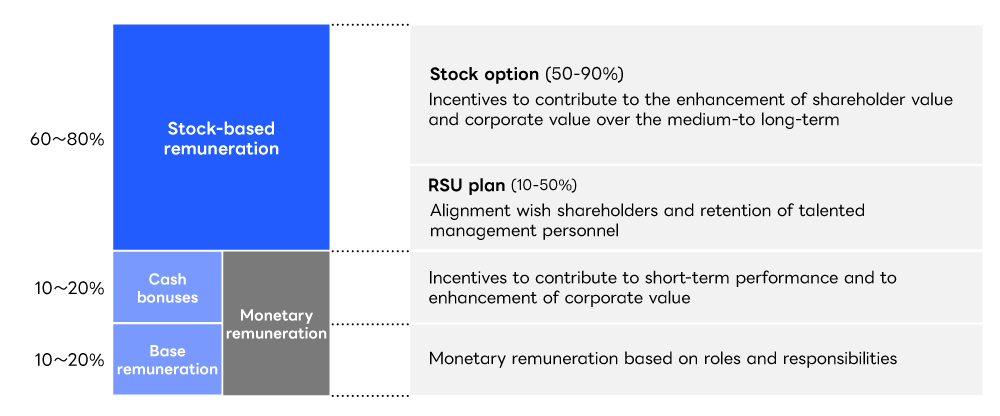
(1) Outline of the remuneration plan for directors (excluding those serving on the Audit and Supervisory Committee)
*When each indicator's target achievement is 100%
(2) Upper limit of remunerations, etc.
Directors (excluding those serving on the Audit and Supervisory Committee)
| Type of remuneration | Maximum amount | Maximum no. of shares | |
|---|---|---|---|
| Monetary | Base remuneration and cash bonuses | JPY2.5 B/year (includes outside directors JPY300 mil) | ー |
| Stock-based | Stock option | JPY2.4 B/year | 130,000 units/year (equivalent to 13 million shares) |
| RSU Plan (Board Incentive BIP Trust) |
Contribute up to JPY500 million in trust funds in the first fiscal year of each of the three fiscal years covered | 1.1 million shares per eligible period | |
Note: Outside directors will not be provided with cash bonuses or stock options.
Directors serving on the Audit and Supervisory Committee
| Type of remuneration | Maximum amount | Maximum no. of shares | |
|---|---|---|---|
| Monetary | Base remuneration | JPY200 mil/year | ー |
| Stock-based | RSU Plan (Board Incentive BIP Trust) |
Contribute up to JPY50 million in trust funds in the first fiscal year of each of the three fiscal years covered | 120,000 shares per eligible period |
The stock-based remuneration for directors serving on the Audit and Supervisory Committee is not linked to business performance in order to ensure the supervisory function to determine the appropriateness of business operation from an objective standpoint and fostering a sense of shared interest with the shareholders by promoting the ownership of the Company's shares by the directors serving on the Audit and Supervisory Committee.
Remuneration Policy
(1) Basic principles
The following are the basic principles to ensure that the remuneration of directors (hereinafter "Executive Remuneration") serves as a driving force for the realization of the Company's mission and management strategy.
Basic principles
i) Encourages the exercise of management leadership to realize the Company's mission, "WOW Our Users!"
ii) Contributes to the enhancement of the Company's medium- to long-term corporate value
iii) Details of the system ensures the Company's accountability to its stakeholders through the establishment of strong and independent remuneration governance
(2) Remuneration level
The level of Executive Remuneration will be set based on the basic principles of Executive Remuneration and the roles and responsibilities of each director in the management of the Company, taking into consideration the importance and difficulty of the mission undertaken by each director.
The Nominating and Remuneration Committee will verify the appropriateness of the remuneration levels after conducting a survey and analysis of the Company's management environment and the peer group of leading Japanese global companies based on the database of external research organizations. The remuneration level will be reviewed from time to time in response to changes in the external environment and changes in the roles and responsibilities of directors.
(3) Remuneration structure
(i)Overview of remuneration items
Remuneration structure for directors (excluding those serving on the Audit and Supervisory Committee)
The concept of the remuneration structure for directors (excluding those serving on the Audit and Supervisory Committee) will be to place more emphasis on stock-based remuneration as a medium- to long-term incentive, in order for the structure to function as an incentive to encourage bold risk-taking and leadership from a medium- to long-term perspective toward the realization of the Company's sustainable growth.
Details of remuneration items
| Monetary remuneration | Purpose/position | Criteria | Payment amount | Timing | |||
|---|---|---|---|---|---|---|---|
| 10-20% | Base remuneration | Monthly remuneration | Amount decided based on roles and responsibilities of each director | Fixed | Every month | ||
| 10-20% | Cash bonuses | Incentive to contribute to the Company's performance and to the enhancement of corporate value | Overall evaluation | (i) Consolidated performance evaluation (Achievement level of adjusted EBITDA, etc.) | 80% | 0-200% | July |
| (ii) Quantitative evaluation (Progress against the key themes of a fiscal year,etc.) | 20% | ||||||
| (iii) Sustainability evaluation | (±5%) | ||||||
| Individual evaluation | (iv) Individual evaluation (Achievement level of missions for each director, etc.) | (±10%) | |||||
| Stock-based remuneration | Purpose/position | Outline | % | ||||
|---|---|---|---|---|---|---|---|
| 60-80% | Stock options | Incentive to contribute to the enhancement of shareholder value and corporate value over the medium- to long-term |
|
50-90% | |||
| RSU Plan (Board Incentive Plan Trust)) |
Alignment with shareholders and retention of talented management personnel |
|
10-50% | ||||
Note 1: The remuneration structure will be reviewed annually by the Nominating and Remuneration Committee in accordance with the external environment and medium- to long-term strategies. Outside directors will not be provided with cash bonuses or stock options.
Note 2: Notwithstanding the above, in cases where locally hired directors outside of Japan are invited, etc., the remuneration level and structure may be set on an individual basis, taking into consideration the nature of their duties and the market level in the country where they are hired.
Note 3: A special bonus may be determined by the Nominating and Remuneration Committee and paid at a certain time after the end of the fiscal year based on a comprehensive evaluation of the Company's performance and the degree of achievement of performance targets during the fiscal year, as well as contributions to improving corporate value for the future, etc.
Note 4: For the fiscal year ended March 31, 2026, the Nominating and Remuneration Committee has resolved on the following KPI breakdown for (i) Consolidated performance evaluation, which weighs 80%:
Revenue (30%), adjusted EBITDA (30%), adjusted EPS (20%)
Note 5: Sustainability evaluation is conducted comprehensively to support the achievement of the Company's mission and the enhancement of corporate value over the medium to long term. In addition to performance against the material topics metrics, the evaluation takes into account progress toward targets, the quality of initiatives, and social impact.
Remuneration structure for directors serving on the Audit and Supervisory Committee
The remuneration for directors serving on the Audit and Supervisory Committee consists of monetary remuneration (base remuneration) and stock-based remuneration (RSU plan).
Details of remuneration items
| Monetary remuneration | Purpose/position | Criteria | Payment amount | Timing | |
|---|---|---|---|---|---|
| 75-90% | Base remuneration | Monthly remuneration | Amount decided based on roles and responsibilities of each director | Fixed | Every month |
| Stock-based remuneration | Purpose/position | Outline | |
|---|---|---|---|
| 10-25% | RSU Plan (Board Incentive Plan Trust) |
Ensuring a supervisory function to determine the appropriateness of business execution from an objective standpoint and fostering a sense of shared interest (Same Boat) with shareholders |
|
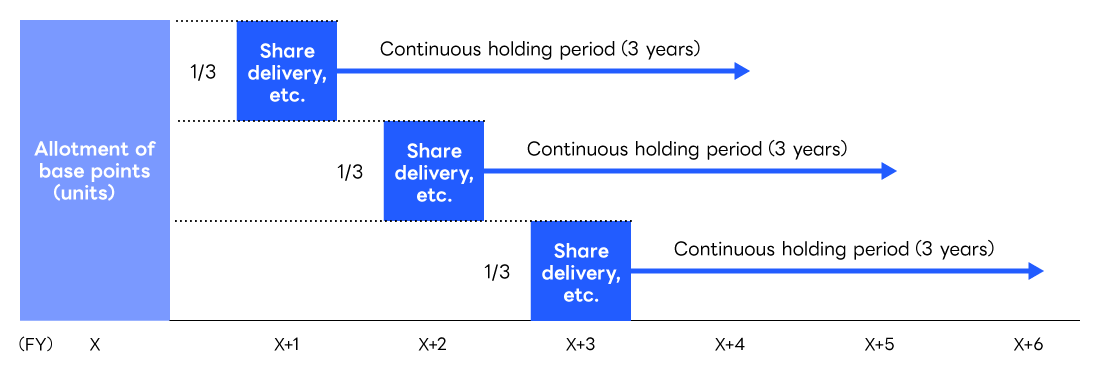
Diagram: Company's shares to be delivered, etc., to directors under the RSU plan and continuous holding period
(ii) Share ownership guidelines
| Share ownership guidelines | Purpose: To promote directors’ ownership of Company’s shares | |
|---|---|---|
| Type of executive | No. of shares held | Deadline |
| Representative Directors | At least two times the base remuneration (annual amount) | Within 5 years after assuming office as director* |
| Other directors (excluding Outside Directors and Directors who are Audit and Supervisory Committee Members) | At least one time the base remuneration (annual amount) | |
*For directors in office prior to the establishment of these share ownership guidelines (May 2022), the guidelines shall apply from the time of the establishment of these guidelines.
*In the event of a change in position that involves a change according to these guidelines, the guidelines shall apply from the time of the change in position.
(4) Remuneration governance
How Executive Remuneration is decided
The Nominating and Remuneration Committee is established as an advisory body to the Board of Directors to enhance the independency, transparency and objectivity of the process for determining Executive Remuneration. The committee is chaired by an independent outside director(including a director serving on the Audit and Supervisory Committee) and majority of the members consists of independent outside directors (including directors serving on the Audit and Supervisory Committee).
The Nominating and Remuneration Committee determines the directors' remuneration level, remuneration structure, evaluation indicators, calculation methods, weight, and payment amount of base remuneration and cash bonuses, and the payment amount of special bonuses.
The details of grants for stock-based remuneration are determined by resolution of the Board of Directors based on the details set by the Nominating and Remuneration Committee.
The Nominating and Remuneration Committee will make the final evaluation of certain matters necessary for the calculation of the amount of remuneration paid to each individual director (such as the determination of the sustainability evaluation and qualitative evaluation for cash bonuses) based on the draft evaluation by the President and Representative Director, who is most familiar with the Company's management situation and the execution of duties by the directors.
Note 1: Executive Remuneration will be paid within the maximum amount of remuneration, etc. resolved at the General Meeting of the Shareholders.
Note 2: In the event of significant changes in the roles and responsibilities of directors due to changes in the external environment surrounding the Company or changes in medium- to long-term strategies, the Nominating and Remuneration Committee may review the incentive design regarding the target values and calculation methods of cash bonuses and stock-based remuneration after careful deliberation.
Note 3: In cases where the roles and responsibilities of directors are temporarily reviewed due to the Company's implementation of improvements or reforms in terms of corporate governance or sustainability, the Nominating and Remuneration Committee may, after careful deliberation, determine the payment of temporary remuneration and various allowances within an appropriate range.
Note 4: To strengthen the effectiveness of the Nominating and Remuneration Committee, the Company appoints an outside consultant as necessary to provide objective perspectives from outside the Company and expertise in Executive Remuneration, and the Company considers the details of the remuneration system, taking into account external data, the economic environment, industry trends, business conditions, and other factors.
(5) Forfeiture/return of Executive Remuneration
Forfeiture/return of remuneration granted to directors will be considered in the following cases:
- If the Board of Directors resolves to make subsequent revisions to the financial statements due to a material accounting error or fraud; or
- If the Board of Directors, etc. determines that there has been a serious breach of the duty of care, duty of loyalty, or other obligations contrary to laws, regulations, or contracts during the term of office of the directors (including directors serving on the Audit and Supervisory Committee).
The Nominating and Remuneration Committee, upon a request from the Board of Directors, will deliberate on whether to require the forfeiture of all or part of the rights to receive cash bonuses and stock-based remuneration or the return of all or part of the cash bonuses and stock-based remuneration already paid, and will advise and recommend the results of such deliberations to the Board of Directors. The Board of Directors will, with the utmost respect for such advice and recommendations, resolve whether or not to require such directors to forfeit all or part of their rights to receive cash bonuses and stock-based remuneration (malus) or to return all or part of the cash bonuses and stock-based remuneration already paid (clawback).
(6) Information disclosure (Engagement with shareholders and investors)
The Company promptly and proactively discloses the details of Executive Remuneration through the Annual Securities Report, reference materials for the General Meeting of Shareholders, Business Report, Corporate Governance Report, Integrated Report, and website, etc., which are prepared and disclosed in accordance with various laws and regulations. For directors (including those serving on the Audit and Supervisory Committee), the total amount of consolidated remuneration, etc. will be disclosed separately in the Annual Securities Report, without limiting to those whose total amount of consolidated remuneration, etc. is JPY100 million or more.
In addition, the directors (including independent outside directors) will be actively involved in shareholder and investor engagement. The opinions of shareholders and investors received through the engagement will be shared with the Nominating and Remuneration Committee and the Board of Directors, etc., and used to enhance corporate value.
Director Remuneration for FY2025
●Remuneration, etc. by director category
Directors/Audit and Supervisory Committee members
-
Directors (excl. Audit and Supervisory Committee members)
- Total remuneration : 884
- Base remuneration : 170
- Bonus (Performance-based) : 187
- Restricted stocks (Performance-based) : 17
- RSU plan (Board Incentive Plan Trust) (Non-performance-based) : 55
- Stock option (Non-performance-based) : 455
- Number of persons : 2
-
(Of which for outside directors)
- Total remuneration : ( - )
- Base remuneration : ( - )
- Bonus (Performance-based) : ( - )
- Restricted stocks (Performance-based) : ( - )
- RSU plan (Board Incentive Plan Trust) (Non-performance-based) : ( - )
- Stock option (Non-performance-based) : ( - )
- Number of persons : ( - )
-
Directors (Audit and Supervisory Committee members)
- Total remuneration : 90
- Base remuneration : 83
- Bonus (Performance-based) : -
- Restricted stocks (Performance-based) : -
- RSU plan (Board Incentive Plan Trust) (Non-performance-based) : 7
- Stock option (Non-performance-based) : -
- Number of persons : 4
-
(Of which for outside directors)
- Total remuneration : (90)
- Base remuneration : (83)
- Bonus (Performance-based) : ( - )
- Restricted stocks (Performance-based) : ( - )
- RSU plan (Board Incentive Plan Trust) (Non-performance-based) : (7)
- Stock option (Non-performance-based) : ( - )
- Number of persons : (4)
-
Total
- Total remuneration : 975
- Base remuneration : 253
- Bonus (Performance-based) : 187
- Restricted stocks (Performance-based) : 17
- RSU plan (Board Incentive Plan Trust) (Non-performance-based) : 63
- Stock option (Non-performance-based) : 455
- Number of persons : 6
-
(Of which for outside directors)
- Total remuneration : (90)
- Base remuneration : (83)
- Bonus (Performance-based) : ( - )
- Restricted stocks (Performance-based) : ( - )
- RSU plan (Board Incentive Plan Trust) (Non-performance-based) : (7)
- Stock option (Non-performance-based) : ( - )
- Number of persons : (4)
1. The amount of restricted stock remuneration, RSU Plan (Board Incentive Plan Trust), and stock options, is the amount of restricted stock remuneration, RSU Plan (Board Incentive Plan Trust), and stock options recorded in this fiscal year.
2. The outside directors have not received remuneration from the Company's parent company or the subsidiaries of said parent company other than those noted above in this fiscal year.
3. The amount of stock options (non-performance-based) shown in the table above is, in principle, the amount recorded as expenses in this fiscal year in accordance with IFRS.
●Remuneration, etc. by director
Name |
Total remuneration (millions of yen) |
Directors/Director serving on the Audit and Supervisory Committee |
Company |
Breakdown of total remuneration (millions of yen) |
||||||
|---|---|---|---|---|---|---|---|---|---|---|
Monetary |
Non-Monetary |
|||||||||
Base remuneration |
Bonus (Performance-based) |
Bonus (Non-performance-based) |
Provision for executive's retirement benefit |
Restricted stocks (Performance-based) |
RSU plan (Board Incentive Plan Trust) (Non-performance-based) |
Stock option (Non-performance-based) |
||||
Kentaro Kawabe |
285 | Director | LY Corporation | 80 | 88 | - | - | 17 | 23 | 77 |
Takeshi Idezawa |
598 | Director | LY Corporation | 90 | 99 | - | - | - | 32 | 377 |
Yoshio Usumi |
34 | Director serving on the Audit and Supervisory Committee | LY Corporation | 32 | - | - | - | - | 1 | - |
Maiko Hasumi |
18 | Director serving on the Audit and Supervisory Committee | LY Corporation | 16 | - | - | - | - | 1 | - |
Tadashi Kunihiro |
18 | Director serving on the Audit and Supervisory Committee | LY Corporation | 16 | - | - | - | - | 1 | - |
Yuko Takahashi |
18 | Director serving on the Audit and Supervisory Committee | LY Corporation | 16 | - | - | - | - | 1 | - |
Directors
-
Kentaro Kawabe
- Total remuneration (millions of yen) : 285
- Director/Director serving on the Audit and Supervisory Committee : Director
- Company : LY Corporation
- Monetary (millions of yen)
- Base remuneration : 80
- Bonus (Performance-based) : 88
- Bonus (Non-performance-based) : -
- Provision for executive's retirement benefit : -
- Non-Monetary (millions of yen)
- Restricted stocks (Performance-based) : 17
- RSU plan (Board Incentive Plan Trust) (Non-performance-based) : 23
- Stock option (Non-performance-based) : 77
-
Takeshi Idezawa
- Total remuneration (millions of yen) : 598
- Director/Director serving on the Audit and Supervisory Committee : Director
- Company : LY Corporation
- Monetary (millions of yen)
- Base remuneration : 90
- Bonus (Performance-based) : 99
- Bonus (Non-performance-based) : -
- Provision for executive's retirement benefit : -
- Non-Monetary (millions of yen)
- Restricted stocks (Performance-based) : -
- RSU plan (Board Incentive Plan Trust) (Non-performance-based) : 32
- Stock option (Non-performance-based) : 377
Director serving on the Audit and Supervisory Committee
-
Yoshio Usumi
- Total remuneration (millions of yen) : 34
- Director/Director serving on the Audit and Supervisory Committee : Director serving on the Audit and Supervisory Committee
- Company : LY Corporation
- Monetary (millions of yen)
- Base remuneration : 32
- Bonus (Performance-based) : -
- Bonus (Non-performance-based) : -
- Provision for executive's retirement benefit : -
- Non-Monetary (millions of yen)
- Restricted stocks (Performance-based) : -
- RSU plan (Board Incentive Plan Trust) (Non-performance-based) : 1
- Stock option (Non-performance-based) : -
-
Maiko Hasumi
- Total remuneration (millions of yen) : 18
- Director/Director serving on the Audit and Supervisory Committee : Director serving on the Audit and Supervisory Committee
- Company : LY Corporation
- Monetary (millions of yen)
- Base remuneration : 16
- Bonus (Performance-based) : -
- Bonus (Non-performance-based) : -
- Provision for executive's retirement benefit : -
- Non-Monetary (millions of yen)
- Restricted stocks (Performance-based) : -
- RSU plan (Board Incentive Plan Trust) (Non-performance-based) : 1
- Stock option (Non-performance-based) : -
-
Tadashi Kunihiro
- Total remuneration (millions of yen) : 18
- Director/Director serving on the Audit and Supervisory Committee : Director serving on the Audit and Supervisory Committee
- Company : LY Corporation
- Monetary (millions of yen)
- Base remuneration : 16
- Bonus (Performance-based) : -
- Bonus (Non-performance-based) : -
- Provision for executive's retirement benefit : -
- Non-Monetary (millions of yen)
- Restricted stocks (Performance-based) : -
- RSU plan (Board Incentive Plan Trust) (Non-performance-based) : 1
- Stock option (Non-performance-based) : -
-
Yuko Takahashi
- Total remuneration (millions of yen) : 18
- Director/Director serving on the Audit and Supervisory Committee : Director serving on the Audit and Supervisory Committee
- Company : LY Corporation
- Monetary (millions of yen)
- Base remuneration : 16
- Bonus (Performance-based) : -
- Bonus (Non-performance-based) : -
- Provision for executive's retirement benefit : -
- Non-Monetary (millions of yen)
- Restricted stocks (Performance-based) : -
- RSU plan (Board Incentive Plan Trust) (Non-performance-based) : 1
- Stock option (Non-performance-based) : -
Fortifying Internal Control
The Company's Board of Directors has adopted resolutions regarding the "Systems for Ensuring Proper Business Activities" as stipulated in the Companies Act and the Regulations for Enforcement of the Companies Act, and the Company strives to appropriately implement the system. For more information, please click here.
Related Link
Policy on Measures to Protect Minority Shareholders in Conducting Transactions with Controlling Shareholder
The Company’s Board of Directors is composed of six directors, four of whom are independent outside directors, ensuring independence. In addition, as an advisory body to the Board of Directors, the Company establishes a Governance Committee composed of said three independent outside directors. The aforementioned Committee conducts deliberations on Related Party Transactions from the perspectives of fairness, economic rationality, and legality.
Furthermore, the division responsible for governance conducts a review of Related Party Transactions that do not require deliberation by the Governance Committee. For transactions meeting specific criteria, the independent outside director serving as a full-time Audit and Supervisory Committee member is authorized by the Governance Committee to conduct a prior review from the same perspectives as the Governance Committee.
Measures to Vitalize the General Meeting of the Shareholders and Facilitate Exercise of Voting Rights
To facilitate shareholders' participating in the shareholders meetings, the Company has since its founding held its annual general meeting of shareholders on a day when other major companies are not holding meetings.
In addition, for foreign investors, summarized convocation notices and shareholder meeting reference materials are provided in English as well as Japanese, and published on the corporate website.
Appealingly designed and printed in full color, the notices in addition contain supplementary non-financial information to broaden shareholders' knowledge of our business operations. Moreover, to ensure that a maximum number of shareholders are able to exercise their voting rights, the Company permits individual investors to vote online and also offers a dedicated internet voting platform for institutional investors.
In addition, to hold constructive dialogues with shareholders and investors, the Company holds the General Meeting of the Shareholders at the meeting venue as well as via the internet for shareholders who are unable to attend the General Meeting of the Shareholders on the day of the meeting or those who live far from the venue. The General Meeting of the Shareholders is also broadcast live on the internet and archived videos are available at a later date not only for shareholders, but also for all investors, whether individual or institutional, who are considering investing in the Company, so that they can watch the meeting without having to log in.
Anti-takeover Measures
The Company considers the risk of a hostile takeover to be low at this time due to its shareholder composition and has not introduced a specific policy against such takeovers (anti-takeover measures), but will consider effective countermeasures against hostile takeovers and their necessity as appropriate.
Directors' Skills Matrix
The Company's criteria for selecting directors are as follows.
【For all directors】
Director candidates must recognize that their role is to fulfill social responsibilities by respecting the spirit of the LY Corporation Group Code of Conduct established by the Company, and be capable of putting this into practice. Additionally, they must possess excellent character and insight, and be in good mental and physical health.
【Executive directors】
Candidates must be well-versed in the Group's business and be able to contribute to enhancing the Company’s corporate value through strong leadership.
【Non-executive directors】
Candidates must be capable of engaging in the Company’s corporate management, drawing on their individual backgrounds.
【Outside directors】
Candidates must possess sufficient social credibility. Additionally, candidates for independent outside directors must satisfy the independence criteria set by the Tokyo Stock Exchange, Inc.
Directors' skills matrix (expertise/experiences of the directors)
*Please scroll horizontally for more information.
Takeshi Idezawa |
Ryosuke Sakaue |
Genichi Tamatsuka |
Yoshio Usumi |

Yuko Takahashi |
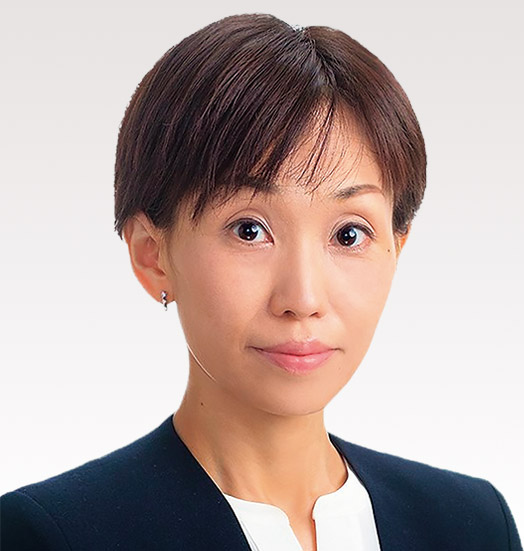
Aki Shimizu |
||
|---|---|---|---|---|---|---|---|
| Attributes | Gender | Male | Male | Male | Male | Female | Female |
| Position | President and Representative Director CEO (Chief Executive Officer) |
Director CFO (Chief Financial Officer) | Outside Director (Independent Director) |
Outside Director (Independent Director) Full-time Audit and Supervisory Committee Member |
Outside Director (Independent Director) Audit and Supervisory Committee Member |
Outside Director (Independent Director) Audit and Supervisory Committee Member |
|
| Executive management experience | Executive management experience | Certified Public Accountant | Attorney | ||||
| Years of service | 5 years | - | - | 7 years | 2 years | - | |
| Expertise,etc. | Corporate Management | ● | ● | ● | ● | ||
| Industry Experience | ● | ● | ● | ||||
| Global Management / Internationality |
● | ● | |||||
| Investment / Market |
● | ||||||
| Management / Corporate Planning / Finance / Accounting |
● | ● | ● | ||||
| Risk Management / Law |
● | ||||||
| Sustainability | ● | ● | ● | ● | |||
- Age: as of June 30, 2026
- Years in office: as of the close of the 31th Ordinary General Meeting of the Shareholders
- The matrix does not provide a comprehensive list of all areas of expertise and experience possessed by each director (current/candidates), but instead highlights the principal skills in which each individual has particular expertise and experience.
Details of expertise/experience
Corporate Management: Experience in corporate management
Industry Experience: Expertise and experience in the IT industry (e.g., advertising, media, e-commerce, fintech) and digital transformation
Global Management/Internationality: Experience in overseas business development, etc.
Investment/Market: Expertise and experience, such as knowledge in financial markets as an analyst
Management/Corporate Planning/Finance/Accounting: Expertise and experience in corporate operations such as management accounting, corporate planning, financial accounting, and human resources
Risk Management/Law: Expertise and experience in risk management and legal matters
Sustainability: Expertise and experience in sustainability issues such as environmental and social issues